As 2025 comes to a close, we want to reflect on the work behind Vidaripay not as a launch announcement, but as the thinking and systems we’ve been building step by step.
For many African businesses, receiving international payments is still harder than it should be. Not because of a lack of ambition, but because existing systems weren’t designed around their realities. Delayed payouts, unclear transaction status, and complex onboarding make cross-border selling feel unpredictable and risky.
Vidaripay didn’t start as a dashboard. It started as a question.
In late 2024, we began publicly exploring why receiving money especially across borders so often breaks trust instead of building it. That question shaped how we approached Vidaripay throughout 2025.
Conversations with merchants, developers, and operators revealed a shared frustration: payments work until they don’t, and when they fail, no one explains why. From the start, our principle was simple don’t assume how people pay. Ask them.
Why an E-Vendor dashboard
We focused on African vendors selling internationally because this is where friction is most visible. Many vendors can make sales, but struggle to receive funds locally, don’t know when payouts will arrive, and lose trust when money feels “in transit” without explanation.
Instead of starting with features, we started with visibility and control. The E-Vendor dashboard was designed to answer everyday questions
Has my payout been requested?
Is it under review?
Is it processing?
What happens next?
Designing for trust, not speed
We intentionally separated key payout concepts:
Dashboard for balances and high level activity
Payouts as a historical record
Track Status for real-time payout lifecycle
Settings for payout configuration
Money doesn’t move instantly in real systems, especially across borders. Pretending it does creates confusion. We chose transparency over shortcuts a processing payout should look different from a completed one, and delays should explain why.
Building responsibly
Behind the scenes, Vidaripay was built with clear boundaries. The frontend never handles sensitive credentials. Backend services control verification, payouts, and state changes. Third-party services are integrated, not exposed.
Every payout is treated as a process with a reference, a status timeline, logged transitions, and clear ownership. This makes the system explainable to users, partners, and regulators.
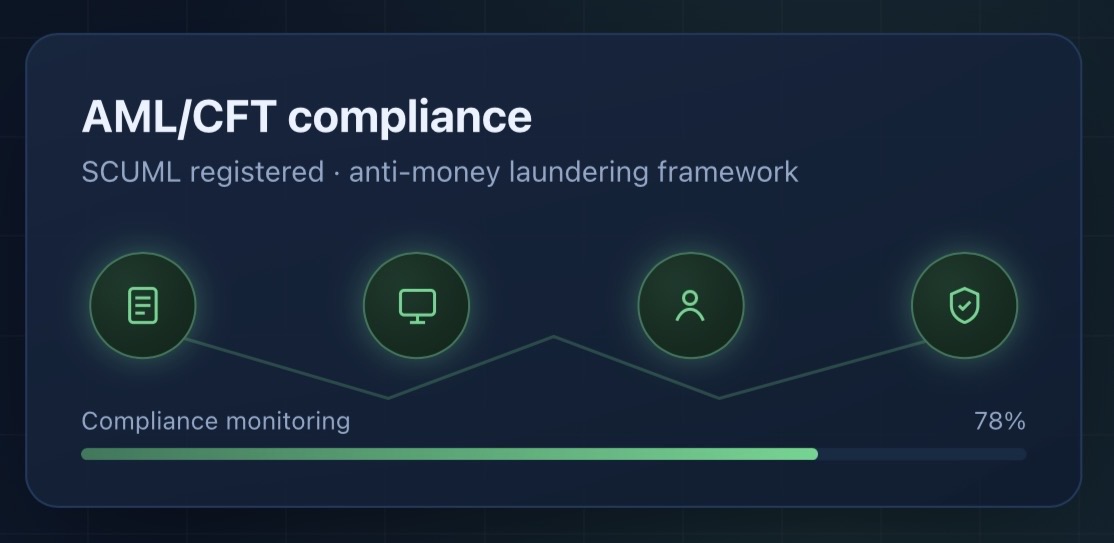
Throughout 2025, we also engaged with financial oversight and data protection requirements to ensure the platform is built responsibly. The goal wasn’t speed, but alignment.
What 2025 taught us
Building fintech in Africa requires patience.
Speed matters, but clarity matters more.
Growth matters, but trust matters most.
Explaining delays builds more trust than hiding them. Structure beats flashy features. Discipline opens more doors than loud marketing.
Vidaripay is still early, but the foundation was built deliberately.
Looking ahead
2025 was about listening, designing, and building responsibly.
2026 will be about bringing those foundations to life carefully, with partners, and in a way that respects how money actually moves.
That’s the journey so far.